
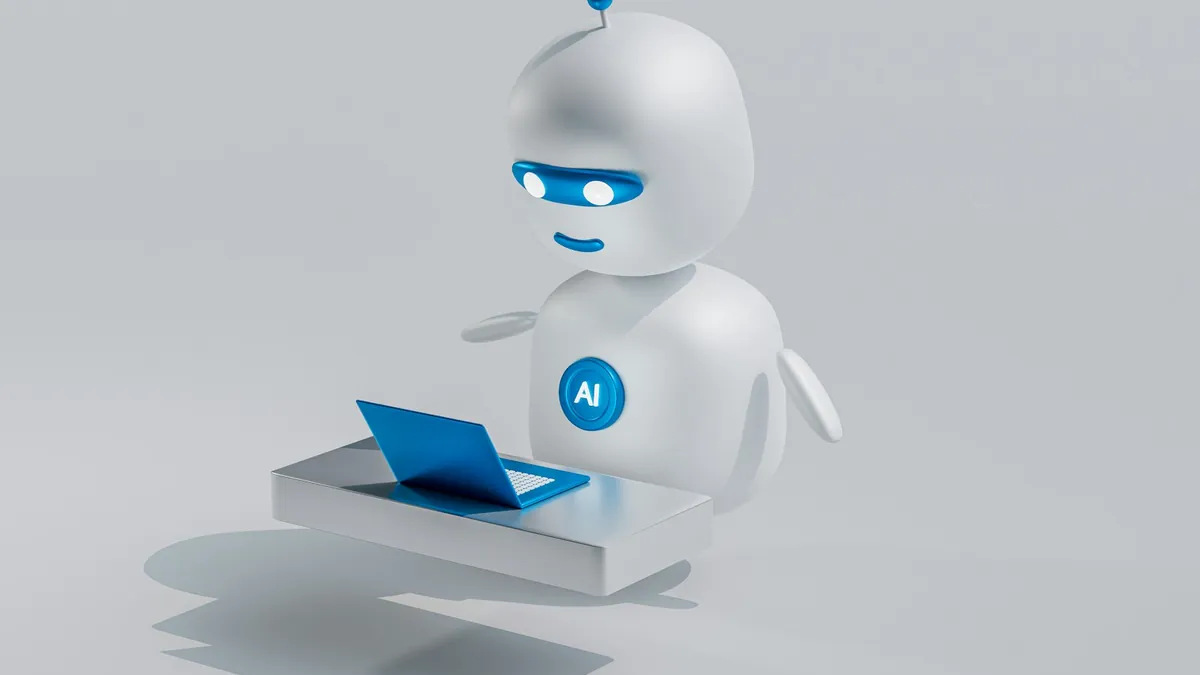
Chatbots long had a poor reputation: canned answers that missed the point and annoyed more than they helped. With generative artificial intelligence, assistants finally understand naturally worded questions and reply fluently.
But does a small business really need a chatbot? Here are the uses that work, the limits to know and the budget to plan.
Uses that work
Answering frequent questions at any time: opening hours, prices, timelines, service area, documents to provide. These are often the same questions that come up on the phone.
Qualifying enquiries: the chatbot asks the right questions (type of project, budget, timeline) and passes you a complete request, ready to handle.
Guiding visitors to the right page or service, or offering to book an appointment.
Internally, an assistant can also find information in your procedures, contracts or documentation, saving your team time.
Limits to know
An AI can make mistakes or invent an answer if it is not properly framed. A good chatbot relies only on your validated information, admits when it does not know and hands over to a human.
It does not replace customer relationships: for a sensitive request, a complaint or a complex quote, nothing beats a direct conversation. The chatbot should make it easy to call or write to you.
Precautions to take
Conversations may contain personal data. Tell visitors they are talking to an automated assistant, only ask for useful information, and check where the data is processed and stored. Your privacy policy must mention it.
Test the chatbot with real customer questions before putting it online, then review the conversations regularly to improve it.
How much it costs
An assistant focused on one use case, fed with your documents and integrated into your website, starts at €990 with us. An assistant connected to your tools, with safeguards, human validation and a conversation dashboard, is around €2,900.
On top of that comes the usage of the AI service, billed per use: for a small business, it generally remains modest.
Should you go for it?
If you often receive the same questions, if you lose enquiries because nobody answers in the evening or at weekends, or if your team spends time searching for information, a well-designed chatbot quickly pays for itself.
The best approach is to start with a single use, measure the result, then expand. We can look at your case free of charge.